
The modern home is a marvel of convenience, relying on a complex network of hidden pipes, high-powered appliances, and ventilation systems to keep daily life running smoothly. A single overlooked grease buildup or a seemingly trivial pipe blockage can rapidly escalate into a catastrophic house fire or thousands of dollars in structural water damage. True property security is about far more than just installing a security camera or locking the front door; it requires active, informed stewardship of your home’s internal infrastructure. Taking a proactive approach to property care protects your financial investment and ensures your family’s physical safety. This comprehensive guide will explore the essential preventative measures every homeowner should take to mitigate hidden hazards, optimize waste disposal, and manage the delicate infrastructure of a modern household.
I. Eliminating Fire Risks in High-Heat Cooking Environments
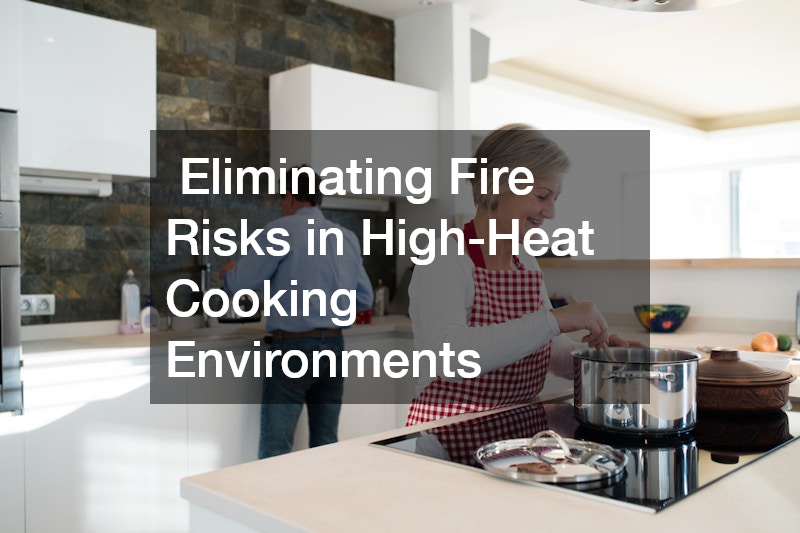
Cooking is the leading cause of home fires and home fire injuries, with grease being the primary fuel source for these fast-moving disasters. Whenever you fry, sear, or sauté food, tiny particles of vaporized fat and oil escape into the air. While your range hood is designed to trap these particles, a significant portion bypasses the initial mesh filter and settles inside the ductwork. Over time, this creates a highly flammable, sticky lining throughout your ventilation system. If a flash fire occurs on the stovetop, the flames can easily be sucked upward, igniting this hidden fuel source and spreading fire through the walls of your home in minutes.
To prevent these terrifying scenarios, routine maintenance of your ventilation system is absolutely vital. Homeowners should inspect and clean their metal range hood filters at least once a month using a heavy-duty degreaser or a cycle in the dishwasher. However, standard household cleaning cannot reach the deep interior of the ductwork where the most dangerous accumulation occurs. For comprehensive safety, scheduling a professional kitchen exhaust cleaning is the most effective way to ensure the entire system is stripped of flammable residues.
Professional technicians use specialized tools and chemical degreasers to clear out the hidden chambers that standard cleaning completely misses. If you operate a home-based catering business, host frequent large gatherings, or simply enjoy high-heat cooking styles like wok frying, relying on a certified hood cleaning service at least once a year is an indispensable safety measure. These experts can inspect the exhaust fan motors, check for proper airflow, and ensure that your entire ventilation system complies with local fire safety standards, giving you total peace of mind every time you turn on the stove.
II. Responsible Disposal Practices to Protect Your Pipes
The kitchen sink is often treated as a catch-all disposal unit, but treating your drains like a trash can is a guaranteed recipe for plumbing disasters. One of the most destructive habits a household can develop is pouring liquid fats, oils, and grease down the drain. While these substances may look like harmless liquids when they are hot, they cool rapidly once they hit the cold underground pipes. As they solidify, they grip onto the pipe walls, catching other debris like food particles and hair, eventually forming rock-hard blockages known as fatbergs. These blockages put immense pressure on your plumbing and can cause raw sewage to back up into your home.
Managing cooking byproducts responsibly is a simple habit that saves thousands of dollars in emergency plumbing repairs. Instead of rinsing greasy pans in the sink, let the oil cool completely and scrape it into a disposable container. For households that use large quantities of oil, participating in a local cooking oil recycling program is an excellent way to dispose of waste safely while benefiting the environment, as these programs convert old fats into clean-burning biofuel.
When grease management is neglected, the first warning sign is usually a sluggishly draining basin. Ignoring a clogged sink drain allows water pressure to build up behind the obstruction, which can cause pipe joints to leak or burst entirely. If a plunger or a basic drain snake does not clear the slow drain immediately, it means the blockage is deep within the system and requires professional intervention before the pipe fails completely.
III. Navigating the Hidden Infrastructure of Property Upgrades
Upgrading your home is an exciting milestone that adds substantial value and comfort to your daily life. Remodeling projects allow you to modernize outdated aesthetics and introduce energy-efficient fixtures. However, these projects also represent a time of high risk for your property’s internal infrastructure. The walls of your home conceal a dense web of supply lines, drain pipes, and vent stacks. Knocking down a wall or moving a fixture without a flawless understanding of what lies behind the drywall can result in punctured lines, immediate flooding, or long-term, slow-leaking water damage that rots your subfloors out from underneath you.
Special care must be taken during a major bathroom renovation because this room features the highest concentration of plumbing fixtures in the entire house. Moving a toilet, even a few inches, requires altering the main soil stack and ensuring the proper downward slope for waste removal. For these reasons, structural upgrades should never be treated as casual DIY projects.
Hiring a licensed plumber to inspect your existing layout before construction begins is the smartest way to avoid logistical nightmares. A professional can identify outdated pipe materials like galvanized steel or polybutylene that should be replaced while the walls are open anyway. They will also ensure that all new installations are properly vented, which prevents sewer gases from entering your living spaces and ensures that water drains smoothly without creating noisy, dangerous negative pressure in your pipes.
IV. Establishing a Reliable Local Network for Urgent Maintenance
Plumbing emergencies have a knack for happening at the worst possible moments, such as in the middle of the night, during a holiday weekend, or when you have a house full of guests. When a pipe bursts or a toilet overflows, panic sets in quickly. In these stressful moments, homeowners often make the mistake of rushing online and hiring the very first contractor they find without verifying their credentials, experience, or reputation. This desperation can lead to subpar repair work, price gouging, or hiring an uninsured handyman who leaves you liable if they injure themselves on your property.
The best way to handle an emergency is to prepare for it before it ever happens. Take the time today to research and identify a reliable plumber near me who offers certified emergency services. Keep their contact information saved in your phone and posted clearly on your refrigerator so that every member of the household knows exactly who to call when water starts pooling on the floor.
Vetting local plumbers ahead of time allows you to read reviews, verify their licensing status with the state, and confirm that they carry adequate liability insurance. A reputable professional will be transparent about their dispatch fees and hourly rates, ensuring you are not taken advantage of during a household crisis. Having a trusted professional on speed dial turns a potential property disaster into a manageable, quickly resolved repair.
V. Safeguarding Underground Waste Systems from Catastrophic Failure
For properties that are not connected to a municipal sewer system, the septic tank is the most critical piece of waste management infrastructure on the property. A septic system is a living, biological ecosystem that relies on naturally occurring bacteria to break down solid waste before releasing filtered wastewater back into the surrounding environment. Because this system is buried completely underground, it is incredibly easy to forget about until a malfunction occurs. When a septic system fails, the results are devastating, often involving raw sewage backing up into household drains, foul odors permeating the yard, and the contamination of local groundwater.
Preventing a septic catastrophe requires strict adherence to a professional maintenance schedule. Booking a regular septic service every three to five years is non-negotiable for keeping the system functional. During this service, a technician will pump out the accumulated sludge that bacteria cannot break down, preventing it from overflowing into your drainfield.
It is equally important to partner with certified local septic tank services to perform routine structural inspections. These experts check the integrity of the tank baffles, verify that the effluent filter is clean, and ensure that the surrounding soil absorption area is not becoming saturated. Combining professional inspections with mindful household habits—such as avoiding flushable wipes and chemical drain cleaners—ensures your independent waste system operates safely for decades.
VI. Advanced Diagnostics for Main Line Protection
The pipes running underneath your yard connect your home to either the city sewer or your private septic tank. This main sewer line is the single bottleneck through which all household wastewater must travel. Because it is buried deep underground, tracking its condition is nearly impossible without specialized equipment. Over time, main lines face unique threats that regular internal plumbing does not encounter, most notably shifting soil, ground freezing, and the relentless intrusion of tree roots searching for a water source.
When tree roots find a tiny crack or loose joint in a sewer pipe, they worm their way inside and expand rapidly, creating a dense web that catches waste and causes total system blockages. To prevent a massive sewer backup, homeowners should invest in a professional video camera inspection every few years. A technician snakes a high-resolution camera down the line to visually assess the interior of the pipe, identifying cracks, bellies, or root intrusions long before they cause a backup. If structural issues are found, modern trenchless repair technologies can often reline the pipe from the inside, saving your landscaping from being dug up while permanently sealing the line against future root damage.
VII. Structural Moisture Control and Leak Detection Technologies
While a sudden bursting pipe is incredibly dramatic, it is often the slow, silent leaks that cause the most widespread structural damage to a property. To protect your home from these invisible threats, integrating smart water detection technology into your property security plan is highly recommended. Modern smart leak detectors are small, battery-operated sensors placed near high-risk areas like the water heater, washing machine, and under sinks. These devices connect to your home Wi-Fi network and send an immediate alert to your smartphone the moment they detect a single drop of moisture. For the ultimate level of protection, you can install an automatic main water shut-off valve that syncs with these sensors, instantly cutting off the home’s water supply the moment a leak is detected anywhere in the building, completely neutralizing the threat of flooding while you are away from home.
VIII. Maintaining Safe Water Pressure and Temperature Regimes
Testing your home’s water pressure is a quick, inexpensive task that can be done with a simple pressure gauge attached to an outside hose bib. If the reading is above eighty pounds per square inch, a professional should install or replace your pressure-reducing valve immediately. Similarly, managing your water heater’s temperature setting is vital for both safety and systemic longevity. Setting your water heater to exactly one hundred and twenty degrees Fahrenheit prevents accidental scalding injuries, reduces the rate of mineral scale accumulation inside the tank, and slashes your monthly energy costs, preserving both your family’s physical well-being and your plumbing budget.
IX. Winterization Strategies for Freezing Weather Safety
Protecting your pipes from winter weather requires a proactive winterization plan executed before the first hard freeze hits. Start by disconnecting, draining, and storing all outdoor garden hoses, and close the internal shut-off valves leading to outdoor spigots. For pipes located in unheated areas of the home, such as uninsulated crawlspaces, attics, or exterior walls, wrap them in high-quality foam pipe insulation or install electrical heat tape. During periods of extreme, prolonged cold weather, leaving your faucets running at a very slow drip keeps water moving through the lines, preventing the static conditions required for ice to form and relieving any pressure build-up within the system.
X. Establishing a Comprehensive Home Maintenance Calendar
The sheer volume of tasks required to keep a home safe and operational can feel overwhelming, leading many homeowners to simply give up and adopt a reactive mindset. However, the key to successful, stress-free property management is breaking these responsibilities down into a predictable, structured calendar. Spreading maintenance tasks across the four seasons ensures that no single system is neglected and that home upkeep becomes a natural, manageable part of your routine rather than a series of exhausting weekend emergencies.
Remember that property care is a continuous journey rather than a one-time project. Cultivating a proactive mindset and establishing a reliable network of trusted local professionals ensures that your property remains a resilient, efficient, and deeply secure environment for your family. Do not wait for a pipe to break, a drain to back up, or an appliance to fail before you take action. Invest the time and energy into your home’s health today, and enjoy the invaluable peace of mind that comes with a safe, perfectly maintained household.