Severe weather events have become increasingly frequent and intense, bringing torrential rainfall, destructive straight-line winds, heavy hail, and prolonged power outages. For homeowners, waiting until a severe weather warning or hurricane watch is issued is a recipe for disaster. Last-minute runs to hardware stores often result in empty shelves, and attempting to make exterior repairs in high winds or rising floodwaters poses extreme personal danger.
Protecting your home and family requires a proactive exterior preparation strategy. Fortifying your home’s outer shell—its roof, drainage, garage doors, and windows—prevents catastrophic structural breaches while ensuring your property can withstand severe storm conditions. Furthermore, establishing reliable backup power and secure refuge zones ensures safety and comfort even during extended utility grid failures. Here is a comprehensive guide to preparing your home exterior for severe weather threats.
Inspect and Repair Roof Decking Before High-Wind Seasons Begin
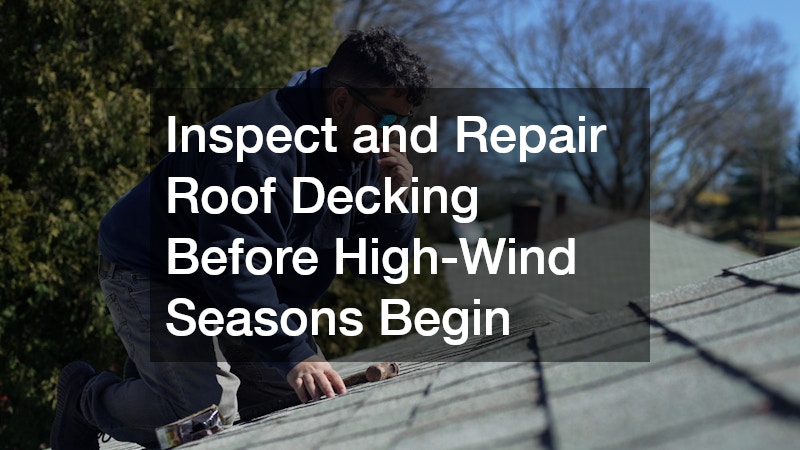
Your roof serves as your property’s primary shield against severe weather. Even minor pre-existing damage, such as a single cracked shingle or a slightly rusted flashing joint, can quickly turn into a major structural vulnerability when subjected to sustained high winds and driving rain. High winds create uplift pressure beneath loose shingles, peeling them back and exposing the underlying roof deck to torrential water infiltration.
Performing a thorough pre-storm inspection allows you to address subtle vulnerabilities before severe weather arrives. Key area checks should include:
- Shingle Integrity: Inspecting for curling, cracked, or missing asphalt shingles, particularly along exposed roof edges and ridge caps where wind uplift is highest.
- Flashing Seals: Checking step flashing around chimneys, skylights, and plumbing vents to ensure sealant hasn’t cracked, dried out, or separated.
- Attic Inspection: Checking the underside of the roof deck from inside the attic for water staining, daylight penetrations, or wood rot that indicates active leaks.
For complex structural repairs or pre-storm wind-mitigation retrofits, hiring licensed residential roofing contractors ensures your overhead barrier meets local hurricane and high-wind building codes.
If severe weather does manage to breach your roof or cause interior flooding, knowing who to contact for immediate mitigation is vital. Establishing a relationship with a professional water damage service ahead of time ensures rapid response times for structural drying, water extraction, and mold prevention after the storm passes.
Upgrade Perimeter Drainage Systems to Direct Torrential Downpours Away from Foundations
Heavy storms dump thousands of gallons of water onto your roof within a matter of hours. Without a functioning drainage system, this massive volume of water cascades down siding, pools around your home’s foundation, and quickly works its way into basements, crawlspaces, or lower-level living areas. Maintaining a clean, high-capacity drainage system is essential for preventing soil erosion, foundation cracking, and indoor flooding.
Properly sizing downspouts and extending discharge pipes at least six to ten feet away from foundation walls prevents localized water pooling. Furthermore, your gutters must be free of sag, leaks, and joint separations to carry water efficiently during heavy downpours.
Investing in seamless gutter installations eliminates weak seam joints along rooflines, reducing the risk of gutter separation under the heavy weight of rushing rainwater and debris.
To keep drainage lines open continuously, scheduling a professional gutter guard service prevents leaves, twigs, and pine needles from creating dense clogs. Quality micro-mesh guards allow torrential rain to enter the gutter trough while shedding solid debris, ensuring your roof drainage operates at peak efficiency during sudden cloudbursts.
Reinforce Large Openings to Stop Wind Infiltration and Pressure Blown-Outs
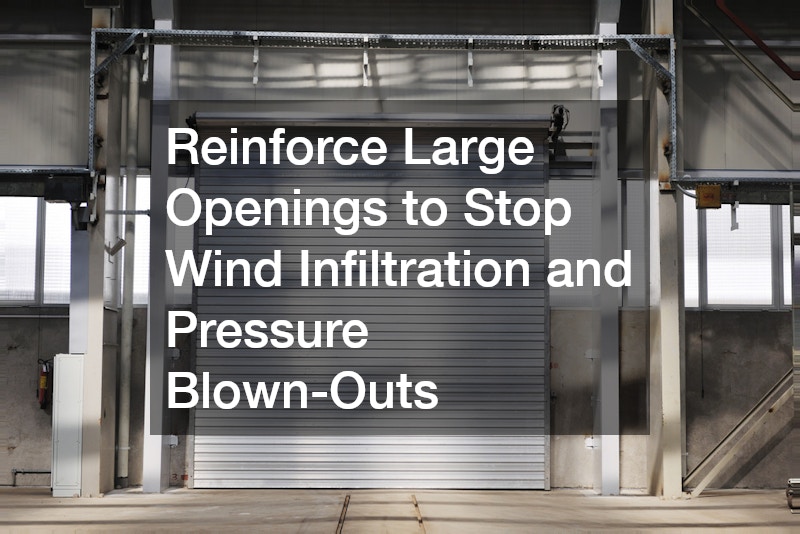
During severe windstorms, tornadoes, or hurricanes, the garage door is often the most critical structural failure point on a residential property. Because garage doors cover a massive surface area, extreme wind pressure can buckle door panels or blow the door off its tracks. Once a garage door fails, wind rushes into the home, creating intense internal pressure that can push up against the roof deck and blow out interior walls.
Reinforcing large openings stops internal pressurization and protects your home’s structural framing. Upgrading existing doors with vertical bracing bars, heavy-gauge steel tracks, and impact-rated mounting brackets increases wind resistance significantly.
Partnering with experienced garage door contractors allows you to evaluate your current setup’s wind-load rating and upgrade to an impact-resistant, steel-reinforced door system designed to withstand severe storm force.
In addition to structural bracing, addressing daily mechanical wear is critical before severe weather hits. Scheduling timely garage door repair ensures that worn rollers, rusted torsion springs, and cracked bottom weather seals are replaced. A properly sealed and operating door keeps driving rain from seeping under the threshold and flooding your garage floor.
Set Up Standby Electrical Generators to Maintain Power During Extended Outages
Severe weather events frequently knock out regional power grids, leaving neighborhoods without electricity for days or even weeks. Prolonged power outages do more than create minor inconveniences; they cause food spoilage, disrupt medical equipment, disable security systems, and shut down electrically powered sump pumps, leading to indoor basement flooding. Installing an automatic standby power system ensures your home remains safe and functional throughout extended grid failures.
Standby generators connect directly to your home’s electrical panel via an automatic transfer switch. When the municipal grid fails, the generator detects the loss of power and starts automatically within seconds, restoring electricity to critical circuits such as refrigeration, climate control, well pumps, and lighting.
Executing a professional generator installation with certified electricians guarantees that transfer switches and fuel connections comply with local safety codes, preventing hazardous electrical back-feeding onto power lines.
For continuous operation during long outages, fueling your standby unit with propane fuel provides an exceptionally reliable energy source. Unlike gasoline, which degrades quickly in storage, propane remains stable indefinitely in dedicated above-ground or underground storage tanks, giving you a dependable fuel reserve during prolonged regional emergencies.
Schedule Regular Engine Maintenance to Guarantee Instant Power Activation
A standby generator is an emergency life-safety system, but it is only as reliable as its maintenance routine. Standby generators often sit idle for months at a time, making them vulnerable to battery discharge, oil degradation, clogged air filters, and fuel line blockages when severe weather strikes. A neglected generator may fail to start or break down under heavy electrical loads.
To keep your backup power system in peak operational condition, follow a strict maintenance protocol:
- Monthly Exercise Cycles: Program your generator to run automatically for 15 to 20 minutes every month to lubricate engine parts and charge the starter battery.
- Fluid and Filter Sweeps: Change engine oil, oil filters, and spark plugs after every 50 to 100 hours of continuous runtime during an extended outage.
- Load Testing: Periodically test the unit under actual household electrical load to verify that the automatic transfer switch functions seamlessly.
For heavy-duty standby units, booking professional Cummins generator service ensures that engine valves, voltage regulators, and fuel injectors are serviced by factory-trained technicians. Routine professional tune-ups guarantee that your standby system fires up instantly and runs smoothly when extreme weather shuts down the main power grid.
Construct Dedicated Safe Spaces to Shield Your Family from Catastrophic Winds
While fortifying your roof, garage doors, and electrical systems protects your property structure, extreme weather events like EF4 or EF5 tornadoes demand dedicated personal protection. Standard interior rooms, hallways, and basements offer moderate protection against weak storms, but high-impact winds can breach standard wood-frame construction completely.
A dedicated safe room or storm shelter is an engineered structure specifically built to withstand extreme wind forces and flying debris impact:
- FEMA Criteria Compliance: Engineered shelters are designed to withstand 250 mph wind gusts and resist impact from heavy flying debris, such as 15-pound lumber projectiles traveling at 100 mph.
- Flexible Installation Options: Above-ground steel-reinforced safe rooms can be anchored directly to concrete garage slabs, while below-ground concrete bunkers can be installed in yards or beneath patio surfaces.
- Ventilation and Secure Locking: Includes reinforced steel doors with multi-point deadbolt locks and protected air vents that keep occupants safe while providing adequate airflow.
Installing a certified storm shelter gives your household a designated, impact-tested refuge during severe tornado or hurricane threats, ensuring complete peace of mind when life-threatening winds approach.
Clear Perimeter Hazards and Secure Outdoor Objects Before Storm Warnings
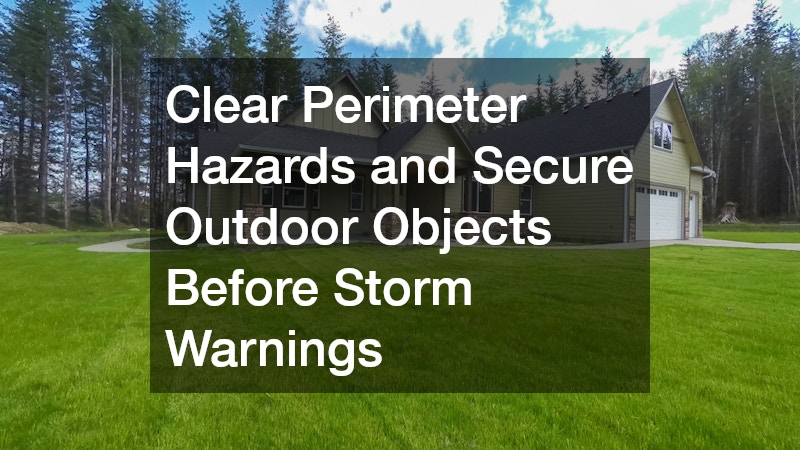
Beyond physical building structures, the area immediately surrounding your home contains numerous potential hazards during a severe weather event. Loose outdoor items, overgrown trees, and unanchored yard structures easily transform into dangerous airborne projectiles when picked up by high-velocity wind gusts.
Conducting a comprehensive perimeter cleanup before storm season significantly reduces the risk of impact damage to your siding, windows, and roofline.
Tree and Vegetation Management
Overgrown trees are a leading cause of property damage and power line destruction during severe storms.
- Trim Overhanging Limbs: Prune heavy branches hanging over your roof, driveway, or power drop lines to prevent them from snapping under high winds.
- Remove Dead Timber: Identify and remove dead, diseased, or decaying trees near your home that are vulnerable to complete uprooting during saturated soil conditions.
- Clear Canopy Density: Thin dense tree canopies allow high winds to pass through branches rather than pushing against them like a solid sail.
Securing Outdoor Belongings
Any unanchored object in your yard can break windows or puncture exterior siding when lifted by strong wind gusts.
- Store Patio Furnishings: Move patio tables, chairs, grills, trash cans, and potted plants inside a garage, shed, or basement before storm arrival.
- Anchor Outbuildings: Ensure outdoor storage sheds, play sets, and gazebos are secured tightly to concrete footings or deep earth auger anchors.
- Clear Yard Debris: Remove loose garden tools, decorative rocks, firewood, and children’s toys from open yard spaces.
Essential Emergency Supplies and Communication Preparedness
Fortifying your home exterior is the physical half of severe weather readiness; preparing your household with emergency supplies and communication plans completes your overall defense strategy. When severe weather hits, access to municipal water, grocery stores, and cell phone networks may be disrupted for days.
Assemble a dedicated, waterproof emergency preparedness kit containing:
- Non-Perishable Food and Water: Store a minimum of a three-day supply of bottled water (one gallon per person per day) and shelf-stable, easy-open food items.
- First Aid and Medications: Keep a fully stocked emergency first-aid kit alongside a two-week supply of essential prescription medications.
- Battery-Powered Communication: Purchase a NOAA weather radio with hand-crank charging capabilities to receive real-time weather alerts when cell towers go down.
- Flashlights and Extra Batteries: Avoid using open candles during power outages due to fire risks; stock high-lumen LED flashlights and portable power banks for charging devices.
- Document Protection: Store critical documents—including home insurance policies, identification cards, property deeds, and emergency contacts—in a portable, fireproof, and waterproof safe.
Having a well-stocked emergency kit paired with a pre-arranged family communication plan ensures that everyone remains safe, informed, and comfortable while your home’s fortified exterior handles the severe weather outside.
Long-Term Value of Proactive Storm Preparation
Investing time and resources into fortifying your home exterior against severe weather threats delivers significant practical and financial benefits for years to come:
- Reduced Property Insurance Claims: Proactive structural upgrades—such as impact-rated garage doors, fortified roofing, and cleared drainage—dramatically reduce the risk of structural damage, helping you avoid costly insurance deductibles and premium spikes.
- Enhanced Property Value and Insurance Discounts: Many home insurance providers offer policy discounts for properties equipped with wind-mitigation features, impact-resistant roofing materials, and standby generators.
- Protection of Indoor Structural Investments: Keeping water and wind out of your home protects interior drywall, hardwood flooring, electrical wiring, and personal belongings from catastrophic water damage and mold growth.
- Unmatched Safety and Peace of Mind: Knowing your home is equipped with impact-resistant barriers, reliable backup power, clean drainage systems, and a certified storm refuge provides priceless reassurance during extreme weather emergencies.
Secure Your Home Before the Next Storm
Preparing your home for severe weather is not a one-time emergency reaction—it is an ongoing maintenance discipline that protects your largest financial asset and keeps your family safe. By inspecting your roof, upgrading drainage systems, reinforcing garage doors, setting up standby power, and clearing perimeter hazards, you build a resilient home capable of withstanding nature’s toughest conditions. Take action today to audit your home’s exterior vulnerabilities so you can face the next severe weather event with total confidence.