Creating a secure home is about more than installing a few locks or cameras. It requires a thoughtful approach that considers how different systems work together to protect your space, your belongings, and the people inside. A complete setup combines physical security, technology, and consistent maintenance to reduce risk and improve peace of mind. When these elements are aligned, they create a stronger, more reliable system that supports your home day in and day out.
Many homeowners focus on one area of protection while overlooking others. The most effective approach is layered. By addressing entry points, fire safety, digital security, and everyday habits, you create a system that works together rather than relying on a single solution. Each layer adds reinforcement, helping to cover gaps and reduce vulnerabilities that might otherwise go unnoticed.
This guide breaks down the essential components of a well-rounded home security setup and provides practical steps to help you build one that fits your needs. By taking a structured approach, you can make informed decisions, prioritize what matters most, and create a safer, more controlled environment for your household.
Start With a Strong Security Foundation
Building a secure home begins with understanding where you are most vulnerable. Entry points such as doors, windows, garages, and side access areas should be the first focus. These are the most common ways intruders attempt to gain access.
Working with a professional security service can help identify weak spots you might overlook. These experts assess your home and recommend solutions that improve protection without overcomplicating your setup.
Access and security control systems are also essential at this stage. These include smart locks, keypads, and controlled entry systems that limit who can enter your home and when.
To strengthen your foundation:
- Reinforce doors and window locks
- Install motion sensors around entry points
- Use lighting to eliminate dark areas
- Limit access through monitored entry systems
Taking the time to secure these areas creates a strong first layer of defense. It helps deter potential intruders by making your home a more difficult target and reduces the likelihood of unauthorized access. When entry points are properly reinforced, it also gives homeowners greater confidence that their property is protected, even when they are away.
This initial layer sets the tone for the rest of your security system. By starting with the most vulnerable areas, you build a solid foundation that supports additional measures, creating a more complete and effective approach to home protection.
Integrate Technology for Smarter Protection
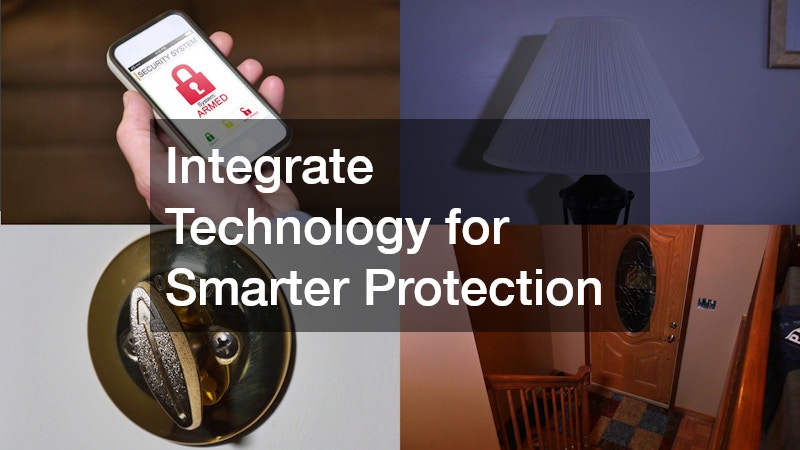
Modern home security relies heavily on technology. Connected systems enable homeowners to monitor activity, receive alerts, and remotely control access.
A managed IT solution can help integrate these systems into a single, reliable network. This ensures that cameras, alarms, and smart devices communicate effectively without interruptions.
Working with a local IT service provider can also improve system reliability. They can help set up secure networks, troubleshoot issues, and keep systems up to date.
Smart security systems offer benefits such as:
- Real-time monitoring through mobile devices
- Automated alerts for unusual activity
- Remote control of locks and cameras
- Integration with other smart home features
However, these systems must be protected. Strong passwords, regular updates, and secure networks are essential to prevent unauthorized access. Without these safeguards, even the most advanced security setup can become vulnerable to outside threats. Cybersecurity is a key part of modern home protection, especially as more devices are connected and accessible remotely.
Homeowners should also consider using multi-factor authentication, updating firmware when available, and limiting access to trusted users only. Monitoring network activity and securing Wi-Fi connections with encryption adds another layer of defense. Taking these steps helps ensure your security system remains reliable and your home stays protected, both physically and digitally.
Protect Sensitive Information and Documents
Physical security isn’t the only concern. Personal and financial information can also be a target if not handled properly.
A document shredding service provides a secure way to dispose of sensitive materials such as bank statements, medical records, and personal documents. Throwing these items away without proper destruction can increase the risk of identity theft.
Homeowners should develop habits that protect their information:
- Store important documents in secure locations
- Shred materials that are no longer needed
- Avoid leaving personal information exposed
Creating a routine for handling documents reduces risk and keeps your personal data protected. It ensures that sensitive information is not left exposed or forgotten, where it could be accessed by the wrong people. By regularly sorting, storing, and securely disposing of documents, homeowners can maintain better control over their personal information.
This routine also makes it easier to stay organized. Important records are easier to find when needed, and unnecessary paperwork doesn’t pile up over time. In the long run, these habits help prevent identity theft, reduce clutter, and create a more secure and manageable system for handling personal and financial information.
Incorporate Fire Safety Into Your Plan
Fire safety is a critical part of any home security setup. Early detection and proper equipment can make a significant difference in an emergency.
A fire safety service can help ensure your home is equipped with the right systems and that they are functioning correctly. Regular inspections help identify issues before they become serious problems.
Local fire protection equipment, such as extinguishers and alarms, should be placed throughout the home. These tools provide immediate response options in emergencies.
Important steps include:
- Installing smoke detectors in key areas
- Keeping fire extinguishers accessible
- Testing systems regularly
- Replacing outdated equipment
Fire safety systems should be treated with the same importance as any other security measure. They protect not only your property but also the lives of everyone inside the home. Unlike other risks, fires can escalate quickly, leaving little time to react, which makes early detection and proper equipment critical.
Regular testing, maintenance, and proper placement of these systems ensure they function when needed most. Homeowners should also take time to understand how their systems work and make sure everyone in the household knows what to do in an emergency. When fire safety is given the same level of attention as other security measures, it becomes a reliable layer of protection that supports overall home safety.
Plan for Fire Suppression and Emergency Response
Detection is only part of the solution. Fire suppression systems add another layer of protection by controlling fires before they spread.
Reviewing sprinkler system layout examples can help homeowners understand how these systems are designed for maximum coverage. Proper placement ensures that every area of the home is protected.
When planning a suppression system:
- Identify high-risk areas such as kitchens and garages
- Ensure even coverage throughout the home
- Schedule regular inspections and maintenance
A well-designed system provides an added level of safety and can reduce damage in the event of a fire. By responding quickly and distributing water or suppression where it’s needed most, it can slow the spread of flames and limit the impact before emergency services arrive. This not only helps protect the home’s structure but can also preserve personal belongings and reduce overall repair costs.
In addition, having a properly planned system in place offers peace of mind. Homeowners can feel more confident knowing that there is an extra layer of protection working in the background, ready to respond automatically when needed.
Consider Personal Safety and Defense Measures
Some homeowners choose to include personal defense measures as part of their overall security plan. This decision depends on individual comfort levels and local regulations.
Firearms are one option, but they require careful consideration. Proper storage is essential to prevent unauthorized access, especially in homes with children.
If choosing this route, it’s important to:
- Use secure storage solutions
- Follow all legal requirements
- Receive proper training and education
Personal safety measures should always prioritize responsibility and awareness. This means understanding how and when to use them, as well as recognizing the potential risks if they are handled improperly. Being informed and prepared is just as important as having the tools themselves.
It’s also important to ensure that all safety measures are stored securely and kept out of reach of unauthorized users. Clear communication within the household, along with proper training, helps create a safer environment for everyone. When responsibility and awareness are at the forefront, personal safety measures become a reliable and effective part of an overall home security plan.
Use Everyday Tools to Enhance Safety
Not all security measures need to be complex. Simple tools can make a big difference in improving safety. In many cases, these basic upgrades are the first line of defense and can be implemented quickly without major changes to your home.
Safety products such as motion lights, alarms, and sensors help increase visibility and awareness around your home. These tools act as both deterrents and early warning systems. When properly placed, they can discourage unwanted activity and alert you to movement or unusual conditions before they escalate.
In addition to improving security, these tools also add convenience. Motion lighting can make it easier to navigate outdoor spaces at night, while sensors can provide real-time notifications directly to your phone. Together, these small additions create a safer and more responsive environment without requiring a complex setup.
Additional steps include:
- Installing outdoor lighting in key areas
- Keeping emergency kits accessible
- Using door and window sensors
Small improvements can strengthen your overall security setup and reduce risk. Even simple changes, like better lighting or reinforced locks, can make a noticeable difference in how well your home is protected. These upgrades are often quick to implement but have a lasting impact on safety.
Over time, layering these small improvements creates a more complete system. Each addition builds on the last, helping to close gaps and improve overall coverage. This approach makes it easier to maintain security without feeling overwhelmed, while still creating a stronger and more reliable level of protection.
Create a Maintenance and Monitoring Plan
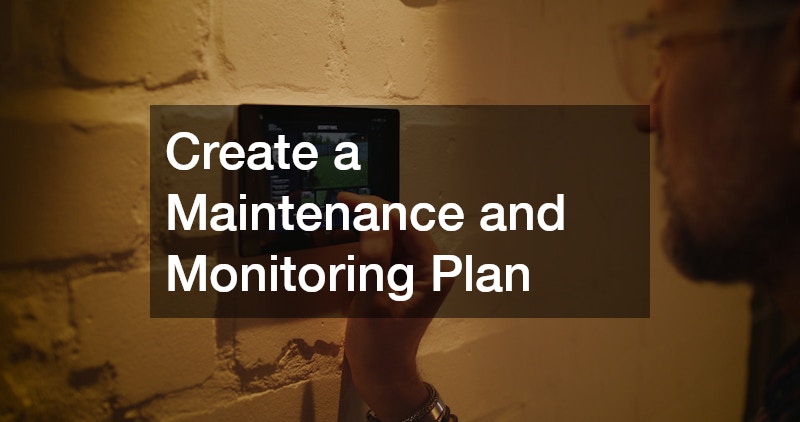
A security system is only effective if it’s properly maintained. Regular checks ensure that all components are working as expected.
Homeowners should:
- Test alarms and sensors monthly
- Check cameras and monitoring systems
- Replace batteries and update software
Monitoring is equally important. Reviewing alerts and system activity helps identify potential issues early. It also allows homeowners to spot patterns, such as repeated motion alerts or system errors, that may point to underlying problems. Staying aware of how your system is performing makes it easier to respond quickly and make adjustments before a small concern becomes a larger issue.
Creating a maintenance and monitoring schedule keeps your system reliable and reduces the risk of failure when it matters most. Regular check-ins ensure that sensors, cameras, and alarms are functioning properly and that any updates or repairs are handled promptly. Over time, this routine helps maintain consistent performance, strengthens overall security, and provides greater confidence that your home is protected.
Build a Long-Term Security Strategy

Security needs change over time. As your home, technology, and lifestyle evolve, your security setup should adapt as well.
Long-term planning helps ensure that your system remains effective. This includes upgrading equipment, expanding coverage, and staying informed about new technologies.
Key considerations include:
- Planning for future upgrades
- Training household members on safety practices
- Reviewing systems regularly
Consistency is essential. A well-maintained system provides ongoing protection and peace of mind. When checks, updates, and routine inspections become part of a regular schedule, it reduces the likelihood of unexpected failures and keeps every component working as intended. Over time, this consistency builds confidence that your home is protected, even when you’re not actively thinking about it.
Building a complete home security setup requires more than a single solution. It involves combining multiple layers of protection, from physical barriers to technology and safety systems. Each layer supports the others, creating a more reliable and balanced approach. If one element is compromised or less effective, the rest of the system helps maintain overall protection.
By taking a proactive approach, homeowners can reduce risk, improve safety, and create a more secure living environment. This includes staying aware of potential vulnerabilities, updating systems when needed, and making small improvements over time. With the right systems in place and a commitment to regular maintenance, home security becomes something you can rely on every day, providing both safety and long-term peace of mind.