Proactive Home Safety Strategies to Prevent Structural and Fire Hazards
The modern concept of a “safe home” has evolved far beyond the simple presence of a sturdy lock or a battery-operated smoke detector. Today, comprehensive residential protection requires a multidimensional strategy that addresses both the physical integrity of the structure and the sophisticated electrical and digital systems that govern entry and environmental monitoring. For the homeowner, moving from a reactive mindset to a proactive auditing process is the only way to ensure that the sanctuary you have built remains resilient against a diverse range of threats. Whether it is the silent degradation of an electrical panel or the sophisticated vulnerability of a digital entry point, a home’s safety is a measure of how well its individual components are maintained and integrated into a unified defense plan.
In this guide, we explore the essential zones of property care that provide the highest level of security and fire prevention. By auditing these areas through a lens of professional-grade reliability and technical precision, you can identify the “hidden” vulnerabilities that traditional home inspections often miss. From the stability of the home’s largest moving parts to the high-tech sensors that monitor for environmental hazards, these strategies provide the roadmap for a more secure future. By committing to this systematic approach, you ensure that your residence remains a safe, efficient, and highly protected environment for your family and your assets, regardless of the challenges posed by the modern world.
Section 1: Establishing a Comprehensive Perimeter Defense Plan
The foundation of any high-performing security strategy is the establishment of a robust perimeter. This first line of defense is designed to deter unauthorized access while providing the necessary visual data to monitor the property’s surroundings. In the modern era, this involves the integration of high-resolution surveillance and active monitoring. To ensure these systems remain reliable, a homeowner must adopt a “zero-failure” approach to home security. This means moving beyond basic off-the-shelf kits and implementing a professional-grade network that includes motion-activated lighting, hardened entry points, and redundant communication lines that ensure the alarm signal reaches emergency responders even if the primary network fails.
Maintaining this perimeter also involves a consistent audit of the hardware that regulates daily traffic. As residential technology continues to advance, the traditional metal key is being replaced by digital credentials that offer superior control and audit trails. Implementing a sophisticated access control system allows a homeowner to manage who enters the property and when, providing a level of granular security that was once reserved for commercial facilities. By integrating these digital barriers with physical obstacles, you create a tiered defense that significantly reduces the risk of intrusion. This proactive oversight is the hallmark of a secure home, signaling to any potential threat that the property is managed with a high degree of technical care and vigilance.
Section 2: Securing the Home’s Primary Structural Entry Points
While digital systems provide the “intelligence” for a secure home, the physical barriers provide the “muscle.” A home’s windows are often the most vulnerable points in the building’s envelope, serving as both a thermal leak and a potential ingress point for intruders. A high-level safety audit involves checking the integrity of every latch, the clarity of the glass, and the stability of the frames. Engaging professional window services is a critical “best practice” for ensuring that your home’s primary apertures meet modern standards for impact resistance and security. Upgrading to multi-pane units with tempered glass or security films not only improves your home’s thermal efficiency but also provides a significant physical deterrent against forced entry.
In addition to the windows, the external doors of the home must be audited for structural stability. A door is only as secure as the frame it is mounted in and the hardware that secures it. If you notice “daylight” around a door or if the hinges are loose, the structural integrity of the entry point is compromised. By maintaining a hermetically sealed and physically robust exterior, you protect your home from both environmental stress and unauthorized access. This attention to the “skin” of the building is a core component of asset protection, ensuring that the primary materials of the house remain functional and beautiful for decades to come, regardless of the external threats they may face.
Section 3: Standardizing Modern Entry and Monitoring Solutions
As the home becomes more connected, the line between physical locks and digital software continues to blur. A truly secure residence is one that utilizes high-integrity data to manage movement throughout the property. This is why many high-end homeowners are moving toward professional access control services that offer cloud-based management and real-time alerts. These services ensure that your smart locks and entry sensors are always running the latest security patches, preventing the “digital picking” that can plague unmaintained consumer devices. By outsourcing the monitoring and management of your entry points, you create a professional-grade security environment that adapts to your family’s needs in real-time.
Beyond the hardware, the long-term success of an entry strategy depends on the reliability of the installation. A digital lock that is poorly fitted can be easily bypassed by mechanical force. This highlights the need for a “no corners cut” philosophy when it comes to the home’s primary security assets. By ensuring that every sensor and deadbolt is perfectly aligned and integrated into a unified control panel, you eliminate the “security gaps” that intruders look for. This integrated approach not only improves your daily convenience but also provides a definitive audit trail of every entry and exit, creating a more transparent and secure environment for everyone in the household.
Section 4: Ensuring Physical Entry Integrity through Professional Hardware Care

Despite the rise of digital systems, the mechanical integrity of a home’s locks remains a fundamental component of security. Over time, the internal pins and springs of a deadbolt can wear down or become gummed with environmental debris, leading to a lock that is difficult to operate or easy to bypass. A proactive safety audit includes testing the “throw” of every bolt and ensuring that the strike plates are secured with three-inch screws that reach into the structural framing of the house. For homeowners looking to upgrade their physical security, partnering with a reputable locksmith company is an essential first step. These experts can re-key your home to a single master system and install high-security cylinders that are resistant to drilling and bumping.
Establishing a relationship with a trusted locksmith is about more than just emergency service; it is about long-term preventative care. A professional can identify “wear patterns” in your hardware that suggest a failure is imminent. By replacing these components early, you avoid the risk of being locked out—or worse, having a lock fail while you are away. This proactive maintenance of the home’s mechanical core ensures that your primary defenses are always operational. A secure home is one where every moving part, from the smallest spring to the heaviest bolt, is intentionally maintained to provide the highest level of physical protection for your family and your belongings.
Section 5: Implementing Advanced Fire Prevention and Detection
Fire remains the single greatest threat to the structural integrity of a home and the safety of its inhabitants. A modern “best practice” for fire safety involves moving beyond simple battery-operated detectors and implementing an integrated, hardwired system that monitors for smoke, heat, and carbon monoxide simultaneously. When looking to protect a large or complex residence, consulting with specialized fire alarm companies is an essential move. These professionals can design a system that includes interconnected sensors—ensuring that if a fire is detected in the basement, every alarm in the house sounds immediately—providing the critical seconds needed for a safe evacuation.
A high-performance fire alarm system should also include monitoring for environmental hazards like gas leaks or rapid temperature drops. Regular testing of the sensors and the backup batteries is a safety-critical task that must be performed seasonally. By ensuring that your detection network is sensitive and reliable, you create a household that is protected from the inside out. This proactive oversight is a “hidden fix” that protects the structural materials of your house from the devastating effects of fire and smoke damage. A well-managed fire safety system is the hallmark of a meticulously cared-for home, providing the ultimate level of security for your real estate investment and your family’s safety.
Section 6: Maintaining the Stability of the Home’s Largest Moving Parts
The garage is frequently relegated to being the utility zone of the property, but it also houses the largest and heaviest moving part of the home’s entire structure: the garage door. From a security perspective, an unmaintained door is a significant vulnerability, as older openers can be easily bypassed or “fished.” A proactive audit of your entry systems should include a check of the door’s balance and the integrity of the tracks. If the door is making unusual grinding noises or struggling to open, it is time to consult a professional garage door company. These experts can re-tension the springs and ensure that the auto-reverse sensors are functioning correctly, providing essential safety for your vehicles and your family.
A quiet, smooth-running door also adds a significant sense of “quality” and security to the property. Beyond the mechanical aspects, a modern door with an encrypted opener prevents “code grabbing” by potential intruders. Upgrading to an insulated model can also help regulate the temperature of the garage, protecting your tools and water heater from extreme thermal cycles. By keeping this entry point secure and well-maintained, you protect one of the primary ingress points to your home and enhance the overall structural integrity of the building. This simple maintenance task is one of the most effective ways to preserve the functional utility and perceived quality of your home’s primary entry systems.
Section 7: Regulating the Internal Electrical Infrastructure
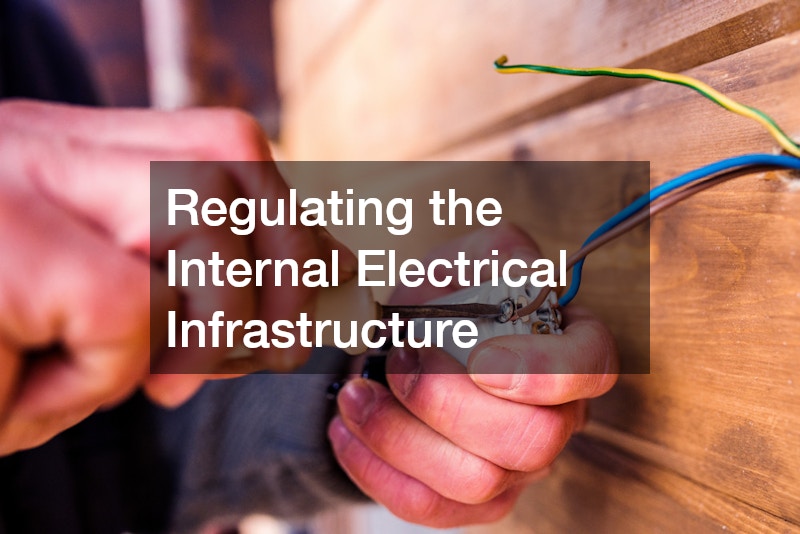
The electrical system is the “nervous system” of the modern home, providing the power for every security sensor, fire alarm, and appliance. However, an aging or overloaded electrical system is also a leading cause of residential fires. A sustainable safety audit must include a professional inspection of the main service panel, looking for signs of “pitting,” oxidation, or scorched wires. Engaging a licensed electrician to perform an infrared thermal scan can reveal “hot spots” in the wiring that are otherwise impossible to detect. These hidden hazards are the “silent killers” of structural safety, and addressing them early is the ultimate preventative measure.
In addition to the panel, a comprehensive electrical audit includes checking the integrity of every GFCI (Ground Fault Circuit Interrupter) and AFCI (Arc Fault Circuit Interrupter) outlet in the home. These devices are designed to trip instantly if they detect a dangerous surge or a leaking current, preventing electrocution and fires. If your home has flickering lights or outlets that feel warm to the touch, the system is under stress. By modernizing your electrical infrastructure and ensuring that it meets current building codes, you create a sustainable and highly efficient environment. This professional oversight is a core mechanical asset that requires intentional oversight to ensure it remains reliable and safe for the multi-decade operational lifespan of your home.
Section 8: Integrating Systems for a Sustainable Safety Environment
In a truly high-performing home, every individual component works in harmony with the others. The perimeter cameras are linked to the home security panel, which is connected to the access control system and the fire alarm network. This holistic view of the property is the secret to successful long-term management. When you audit your home, do not just look at the individual parts; look at how they interact. A faulty sensor in a window might be triggering “false alarms” that cause you to ignore the system, highlighting the deep interconnectedness of your household’s security health.
This integrated approach also allows you to plan your property improvements more strategically. If you are hiring an electrician to install new exterior lighting, that is the perfect time to have your security cameras hardwired and your smoke detectors inspected as well. If you are having your garage door serviced, consider how a smart opener could be integrated into your home’s central control hub. By grouping these sustainable “fixes,” you reduce the number of service calls, lower your overall maintenance costs, and ensure that every upgrade contributes to the overall performance of the property. A smart, sustainable house is one where every surface and system is intentionally cared for as part of a larger, unified plan for excellence.
Section 9: Prioritizing Seasonal Audits and Professional Oversight
The key to long-term property performance lies not in executing isolated projects but in recognizing the need for consistent, professional oversight. A residential property is a dynamic system that is constantly shifting due to thermal expansion and environmental wear. To keep this machine running sustainably, homeowners must move beyond the “quick fix” mindset and embrace a philosophy of data-driven inspections. Whether you are consulting with fire alarm companies about high-integrity detection or talking to a locksmith about high-security hardware, the goal is to make informed decisions that protect your equity.
This professional approach should extend to every major mechanical component of the property. By investing in professional inspections today, you avoid the chaos and waste of system failures tomorrow. A truly high-performing residence is one where the infrastructure is as robust as the visible finishes. By maintaining a clear history of professional service and upgrades, you create a property that is highly desirable in any real estate market. This is the ultimate “best practice” for the modern homeowner: embracing the expertise needed to keep your home running like a finely tuned machine, regardless of the environmental or security challenges you may face.
Section 10: Establishing a Culture of Awareness and Resilience

Ultimately, the most sophisticated access control system or fire alarm in the world is only as effective as the people who use it. A secure home requires a “culture of awareness” among the inhabitants. This means ensuring that every member of the family knows how to operate the security panel, understands the evacuation plan in case of a fire, and knows the location of the main water and electrical shut-offs. This human element is the final layer of your home’s defense. By combining high-tech sensors and physical barriers with an educated and vigilant family, you create a home that is truly resilient against any threat.
This philosophy of resilience also involves a commitment to incremental improvement. As new threats emerge—whether they are digital hacking attempts or new types of environmental hazards—your home’s safety plan must adapt. By staying informed about the latest trends in access control services and residential fire prevention, you ensure that your property remains on the cutting edge of protection. A smart, safe, and secure home is not a destination but an ongoing process of observation, repair, and upgrade. Start your safety audit today, and enjoy the profound peace of mind that comes from knowing your home is optimized for excellence and built to protect the life you have built within its walls.
In conclusion, the journey toward a truly resilient and well-maintained home is one of consistent observation and incremental improvement. By shifting your perspective from that of a passive dweller to that of an active, engaged asset manager, you ensure that your property remains a source of pride and security rather than a source of persistent stress. Completing a comprehensive audit across these ten critical zones—from the specialized needs of your electrical system to the digital integrity of your entry points—allows you to prioritize maintenance based on actual data rather than reacting to emergencies.
This proactive approach not only saves significant amounts of money in the short term by preventing major system failures or security breaches, but it also preserves the long-term structural integrity and aesthetic appeal of your home. When you take the time to inspect, evaluate, and upgrade each system systematically, you are doing more than just fixing locks or testing alarms; you are investing in the sanctuary where your life happens. Start your maintenance audit today, and enjoy the profound peace of mind that comes from knowing every surface and system in your home is optimized for excellence and built to last in the modern world.